
Corrugated stainless steel gas tubing (CSST)
Corrugated stainless steel gas tubing (CSST) is a promising alternative to traditional threaded black-iron gas piping for residential, commercial and industrial applications. Its light weight, flexibility, and need for fewer connections and fittings can make it easier to install than traditional threaded black-iron piping. These benefits can add up to substantial labor savings for installers and cost savings for builders.
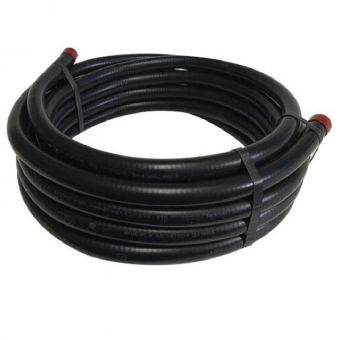
Choose traditional Pro-FlexTM yellow CSST or new FLAK JACKET arc-resistant (non cancelable non returnable) product based on applicable requirements in your
jurisdiction (Information)
This Item Ships Free
Can be used for Natural or Propane (LP) gas.
03612355
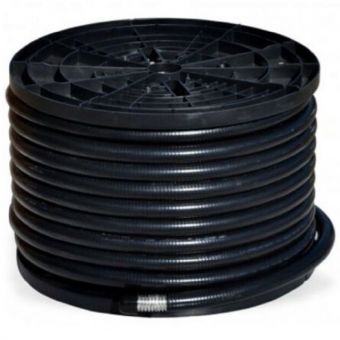
Choose traditional Pro-FlexTM yellow CSST or new FLAK JACKET arc-resistant (non cancelable non returnable) product based on applicable requirements in your
jurisdiction (Information)
This Item Ships Free
Can be used for Natural or Propane (LP) gas.
03612356
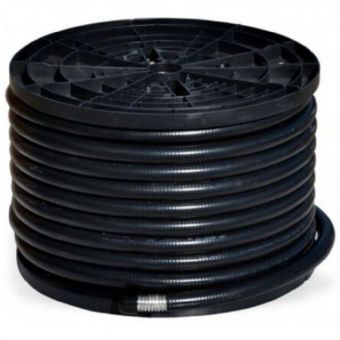
Choose traditional Pro-FlexTM yellow CSST or new FLAK JACKET arc-resistant (non cancelable non returnable) product based on applicable requirements in your
jurisdiction (Information)
This Item Ships Free
Can be used for Natural or Propane (LP) gas.
03612357
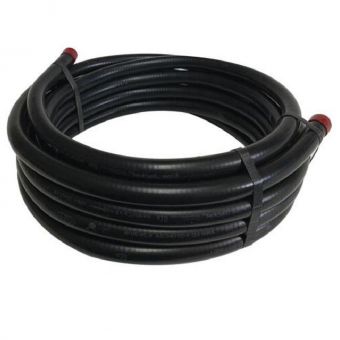
Choose traditional Pro-FlexTM yellow CSST or new FLAK JACKET arc-resistant (non cancelable non returnable) product based on applicable requirements in your
jurisdiction (Information)
This Item Ships Free
Can be used for Natural or Propane (LP) gas.
03612358
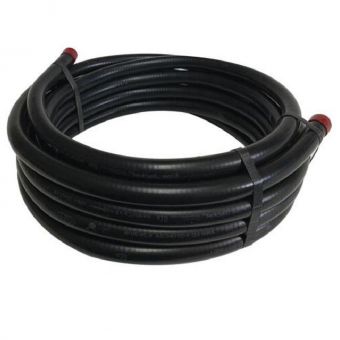
Choose traditional Pro-FlexTM yellow CSST or new FLAK JACKET arc-resistant (non cancelable non returnable) product based on applicable requirements in your
jurisdiction (Information)
This Item Ships Free
Can be used for Natural or Propane (LP) gas.
03612359
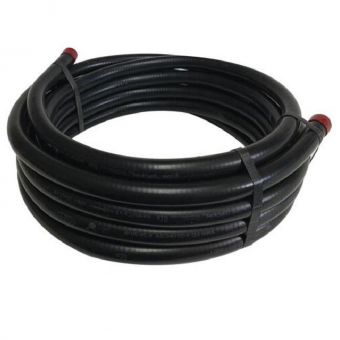
Choose traditional Pro-FlexTM yellow CSST or new FLAK JACKET arc-resistant (non cancelable non returnable) product based on applicable requirements in your
jurisdiction (Information)
This Item Ships Free
Can be used for Natural or Propane (LP) gas.
03612360
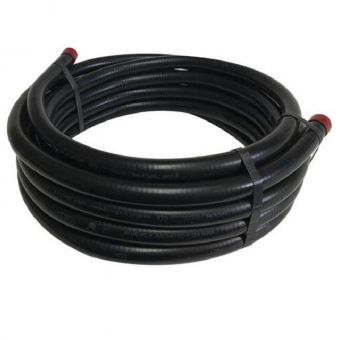
Choose traditional Pro-FlexTM yellow CSST or new FLAK JACKET arc-resistant (non cancelable non returnable) product based on applicable requirements in your
jurisdiction (Information)
This Item Ships Free
Can be used for Natural or Propane (LP) gas.
03612361
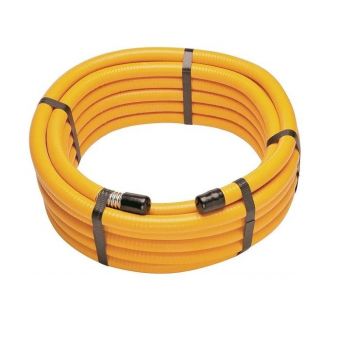
Choose Pro-Flex CSST yellow orFlak Jacket black PFARCT-011425
This Item Ships Free
03612365
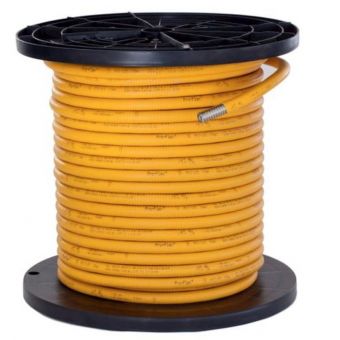
Choose traditional Pro-FlexTM yellow CSST or new FLAK JACKET arc-resistant product based on applicable requirements in your
jurisdiction (Information)
Can be used for Natural or Propane (LP) gas.
03612366
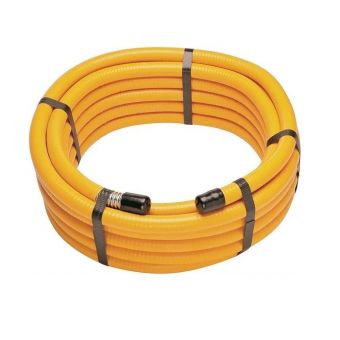
Choose traditional Pro-FlexTM yellow CSST or new FLAK JACKET arc-resistant product based on applicable requirements in your
jurisdiction (Information)
This Item Ships Free
Can be used for Natural or Propane (LP) gas.
03612367
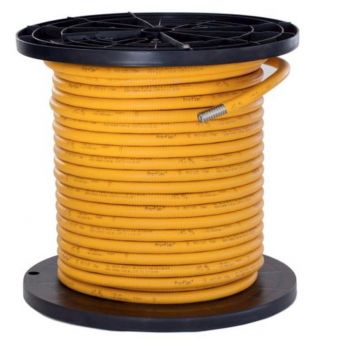
This item ships FREE
03612368
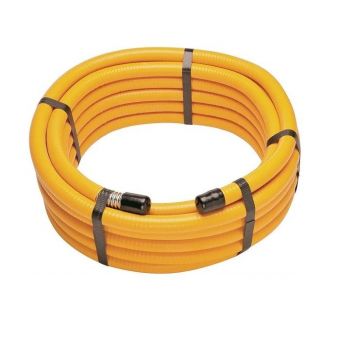
Choose traditional Pro-FlexTM yellow CSST or new FLAK JACKET arc-resistant (non cancelable non returnable) product based on applicable requirements in your
jurisdiction (Information)
This Item Ships Free
Can be used for Natural or Propane (LP) gas.
03612369
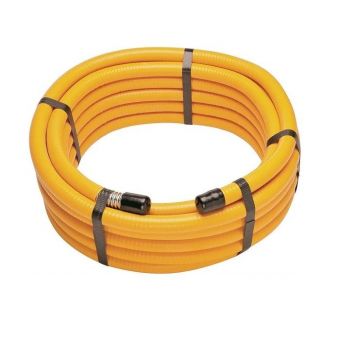
This Item Ships FREE
03612370
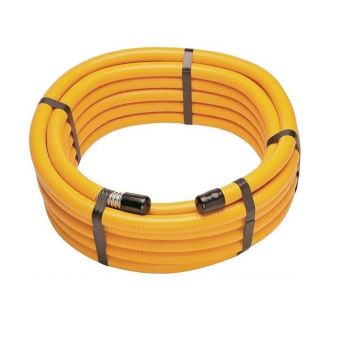
Choose traditional Pro-FlexTM yellow CSST or new FLAK JACKET arc-resistant product based on applicable requirements in your
jurisdiction (Information)
This Item Ships Free
Can be used for Natural or Propane (LP) gas.
03612371
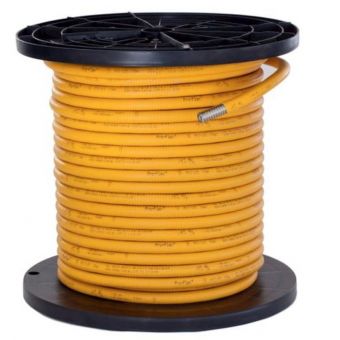
Choose traditional Pro-FlexTM yellow CSST or new FLAK JACKET arc-resistant product based on applicable requirements in your
jurisdiction (Information)
This Item Ships Free
Can be used for Natural or Propane (LP) gas.
03612372
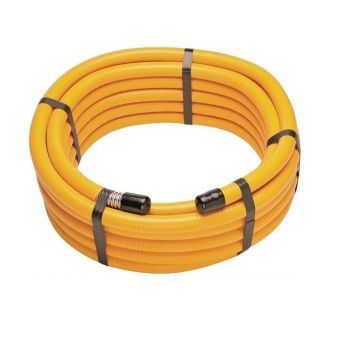
Choose traditional Pro-FlexTM yellow CSST or new FLAK JACKET arc-resistant product based on applicable requirements in your
jurisdiction (Information)
This Item Ships Free
Can be used for Natural or Propane (LP) gas.
03612373
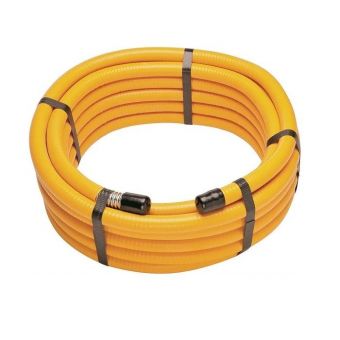
Choose traditional Pro-FlexTM yellow CSST or new FLAK JACKET arc-resistant product based on applicable requirements in your
jurisdiction (Information)
This Item Ships Free
Can be used for Natural or Propane (LP) gas.
03612374
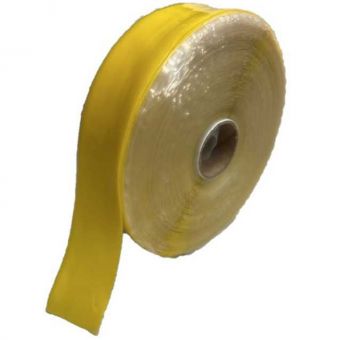
Proflex CSST Gas Pipe
03612398
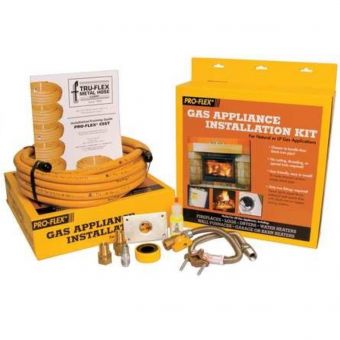
This item ships FREE
03612399
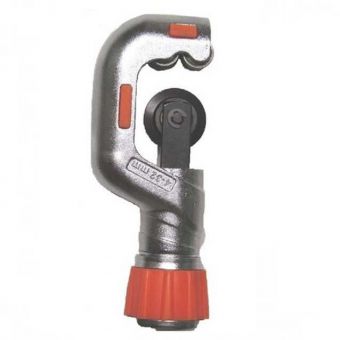
Proflex CSST Gas Pipe
03612406
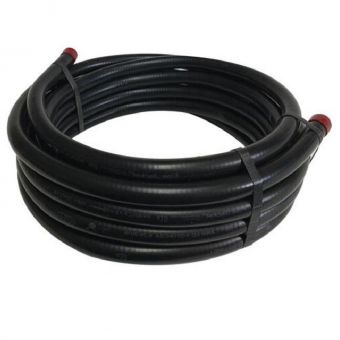
Choose traditional Pro-FlexTM yellow CSST or new FLAK JACKET arc-resistant (non cancelable non returnable) product based on applicable requirements in your
jurisdiction (Information)
This Item Ships Free
Can be used for Natural or Propane (LP) gas.
03612970
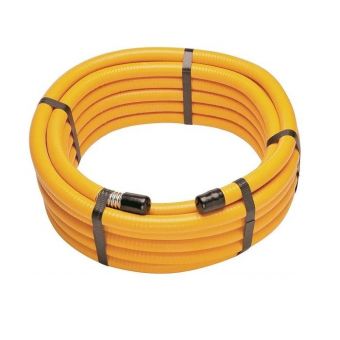
Choose traditional Pro-FlexTM yellow CSST or new FLAK JACKET arc-resistant product based on applicable requirements in your
jurisdiction (Information)
This Item Ships Free
Can be used for Natural or Propane (LP) gas.
03612971